




“Wonderful humans, and very good at what they do. Let them help you make your business better.”

"They were innovative in their approach and really got us thinking about who we are at the core.”

"What a thoughtful and joyful experience. I want to start a new business and do it again."

You?
A Melbourne brand identity design agency that builds identities from strategy.

The look comes after the position.
A logo designed before anyone has decided what the business stands for can only be judged on taste, and taste changes with whoever is in the room. When the position comes first, every choice of mark, type and colour has a reason, and the identity can be judged against it. That is why our identities start with brand strategy.





Strategy First
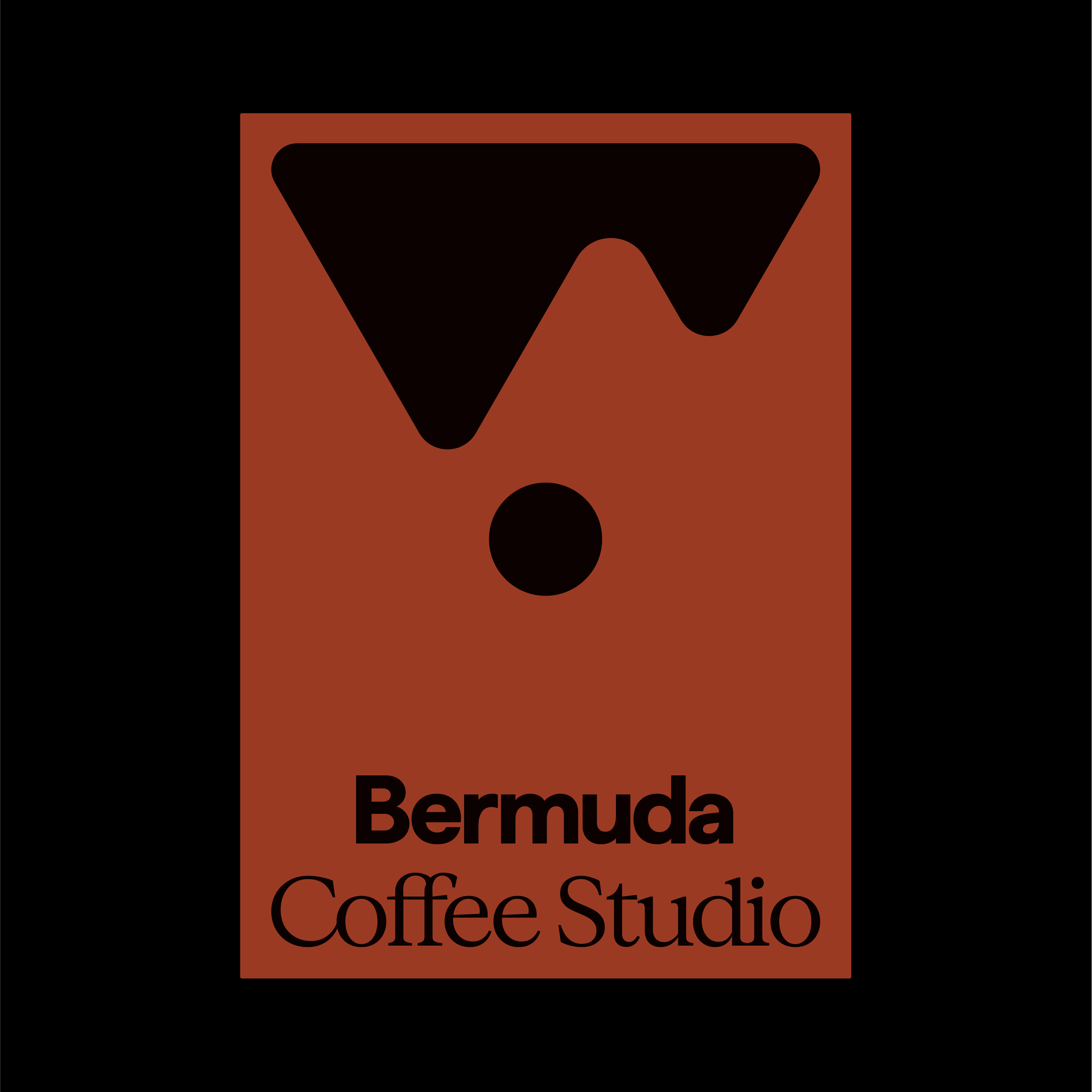
Before we draw anything we agree the position: who you are for, what makes you different, and the one idea the identity has to carry. For Bermuda Coffee Studio that idea was Get Lost in Coffee, and the mark followed it: a pour-over cone and the drip that forms as it leaves a portafilter.
- Brand strategy and positioning
- Brand audit of your current identity
- Competitor and category review
- Creative direction
What if we already have a strategy?
Then we start from it. We read it, test it against the market with you, and go straight to the identity. If the strategy is missing a decision the identity needs, we say so before design starts.
Logo, Type & Colour
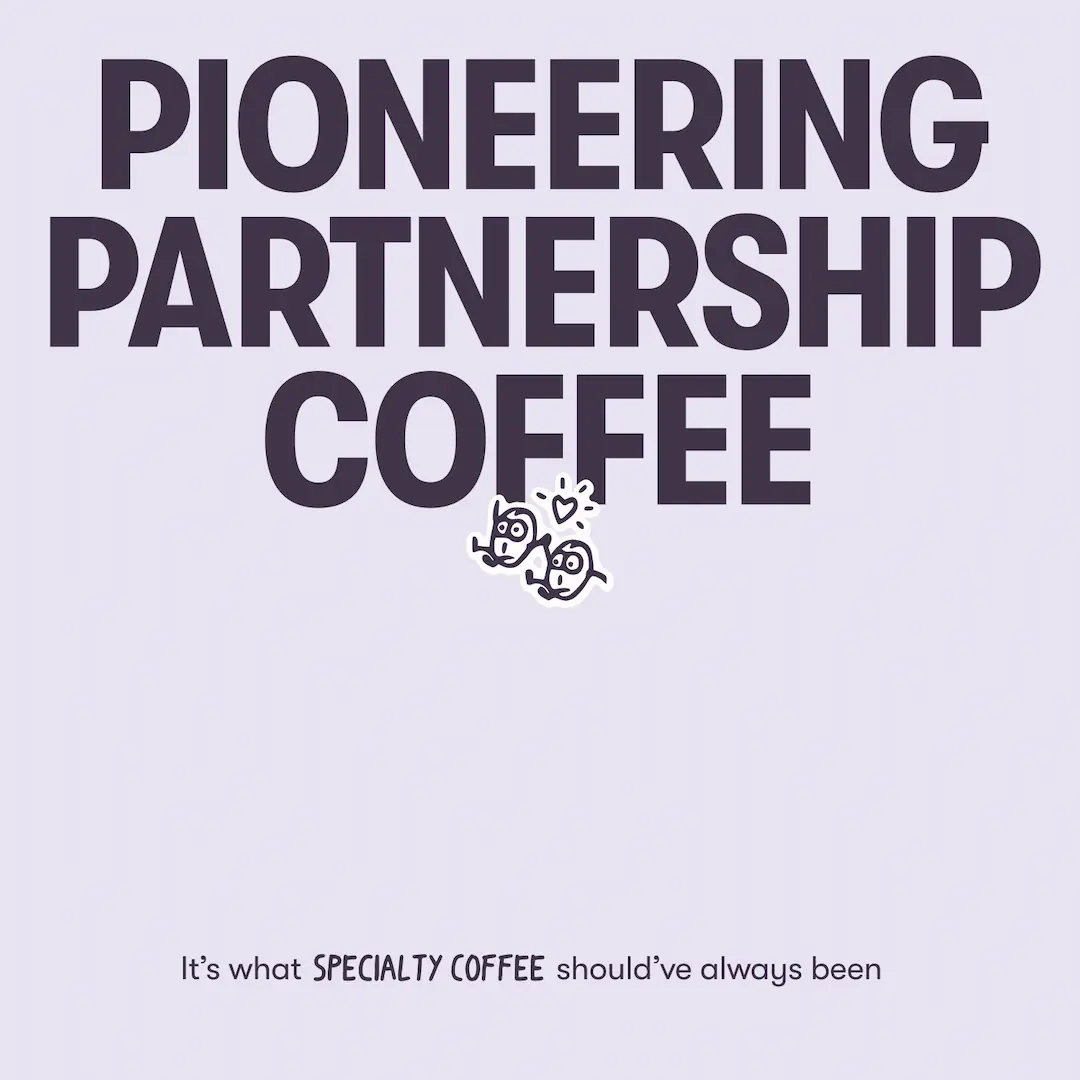
The mark, the typography and the palette, designed as a system rather than a set of files. Marks & Icons collects symbols we have designed, used and unused. Commonfolk’s identity was refined around a category of its own, Partnership Coffee.
- Logo, logomark and wordmark
- Typography and type system
- Colour palette and usage
- Iconography, pattern and illustration
What is the difference between a logo and a brand identity?
A logo is one mark. A brand identity is the system around it: typography, colour, imagery, voice and the rules that make them work together everywhere. A new logo on an unchanged brand changes the first impression for a few seconds; an identity changes what people remember.
Voice, Imagery & Application
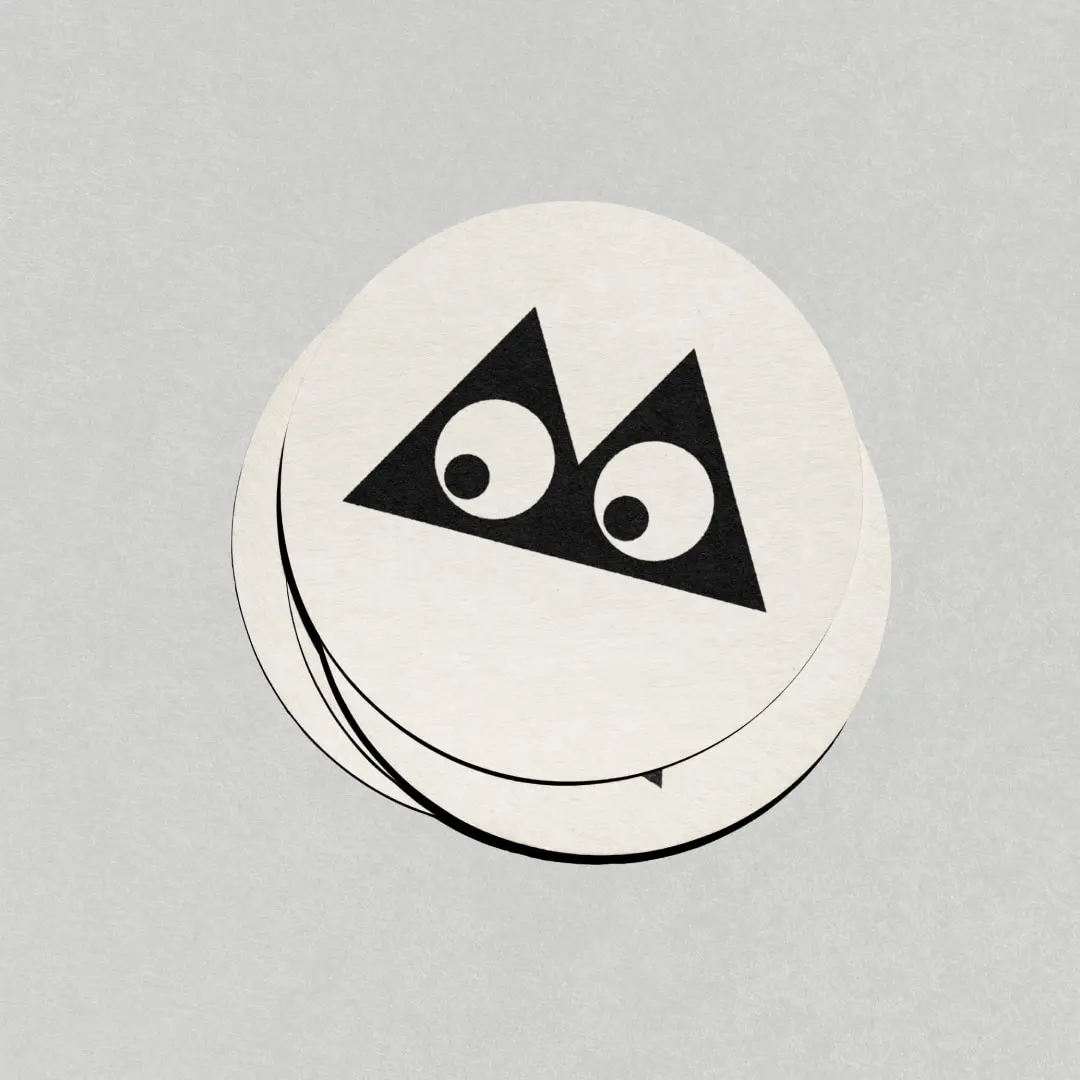
An identity has to sound like itself too. We write the voice and the key messages, set the photography and illustration direction, and apply the system to the things your customers touch: signage, packaging, stationery and the website. Once Again’s mark moves between blur and focus, the way their furniture moves from waste back into use.
- Verbal identity: voice, tone and messaging
- Photography and art direction
- Motion and animation
- Signage, stationery and packaging
- Graphic design for campaigns, books and exhibitions
Will the identity work on screen and in print?
It is designed for both from the start: marks that hold at favicon size and on a building, type that works on a phone and on a printed page, and colour specified for screen and for print.
Guidelines & Toolkit
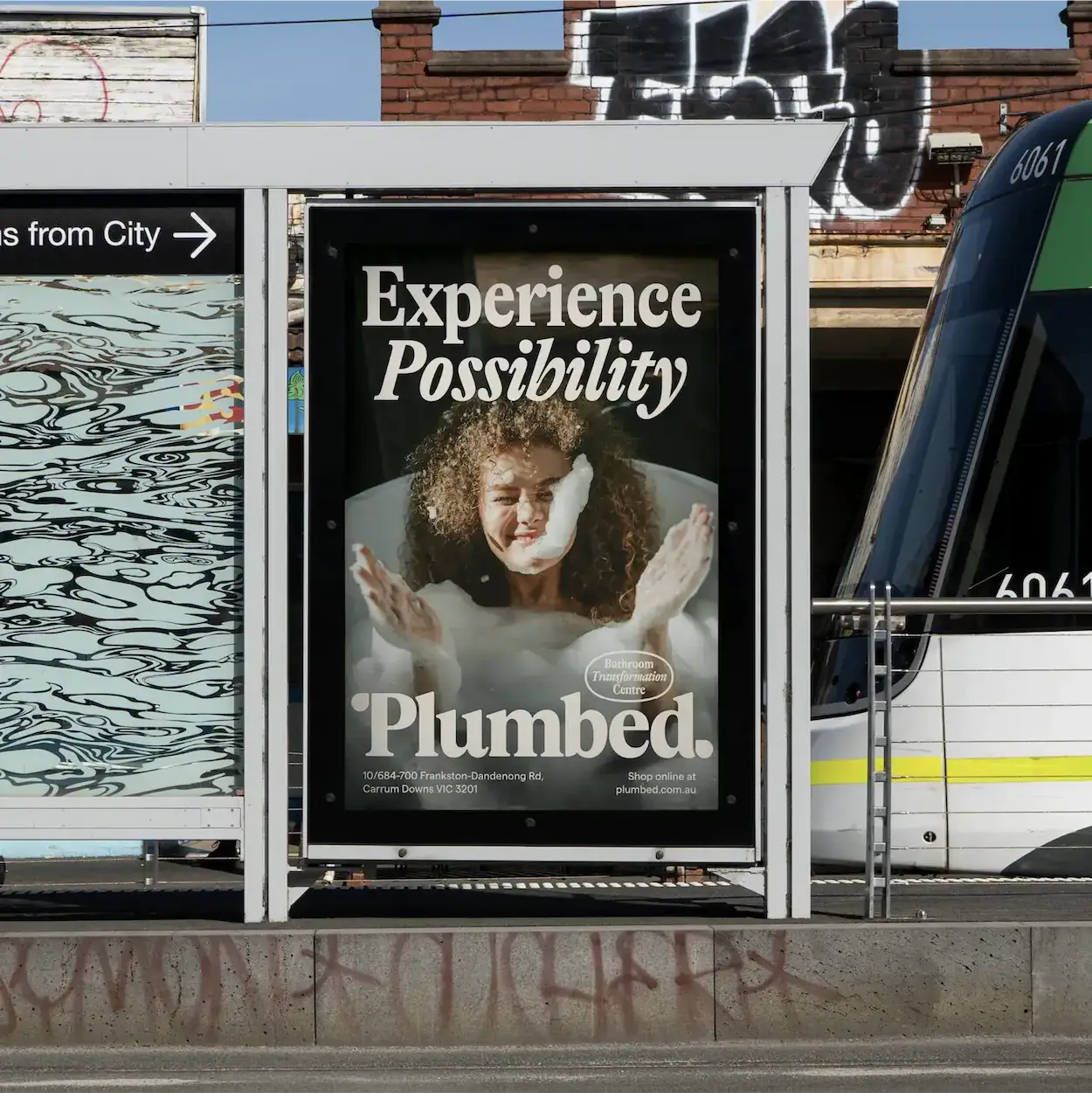
Guidelines your team will use: the rules, the reasons and the templates, so the identity holds without us in the room. Plumbed’s identity runs from tram-stop posters to wayfinding.
- Brand guidelines
- Design system and templates
- Asset library
- Team training and handover
What do the brand guidelines include?
The rules for every part of the identity, the reasons behind them, worked examples, and editable templates for the things your team makes most. They are as long as they need to be and no longer.
A clear process from the position to the finished identity.
Audit & Diagnose
Your current identity, your market and your team’s view of what you are. The honest answer to leave, refresh or rebuild.
Position & Strategise
The position you can own and the one idea the identity has to carry. Leadership in the room, because this is a business decision.
Design the Identity
Mark, type, colour and voice, every decision tied to the position and tested on the real things your customers will see.
Guidelines & Rollout
Guidelines, templates and the first applications. Your team meets the identity before your customers do.
Steward
Identities drift. We stay on for the new product, the new site and the next round of signage.
Honest ranges, scoped to what the identity has to cover.
- Brand Audit (two weeks): competitor map, perception read, positioning options, a recommendation with a price for each path. The audit fee comes off the strategy fee if you go on.
- Brand Strategy ($15,000–$25,000): positioning, purpose, audience mapping and brand narrative.
- Brand Identity Design ($25,000–$45,000): the visual and verbal system on a strategic foundation, with guidelines.
- Full Brand ($45,000–$75,000+): strategy and identity end to end, for a business repositioning for growth or a group bringing several names under one.
Most identity projects sit in Brand Identity Design or Full Brand, depending on whether the strategy exists yet. Get in touch to find out which range you are in.
A brand identity is the visual and verbal system a business uses to be recognised: its logo, typography, colour, imagery and voice, and the rules that hold them together. Our guide What is a brand identity? goes further, with examples.
The position it is built on, the logo and its variations, typography, colour, iconography or illustration, photography direction, the voice and key messages, the first applications, and brand guidelines with templates.
Rarely, because a logo on its own rarely fixes what people come to us for. If a logo is genuinely all you need, we will tell you, and point you to someone who does it well.
Yes, unless you already have one. The strategy decides what the identity has to say, and without it the design can only be judged on taste. Here is how our brand strategy works.
Most full projects run 8 to 16 weeks from kick-off to final delivery.
- Weeks 1–3, Discovery and Research: stakeholder interviews and workshops, market and competitor analysis, audience research.
- Weeks 4–6, Strategy: positioning and differentiation, messaging framework and brand platform.
- Weeks 7–10, Identity Design: logo and visual identity, design system, application across touchpoints.
- Weeks 11–14, Refinement and Guidelines: refinement, brand guidelines and toolkit, templates.
- Weeks 15–16, Handover and Support: final delivery, team training and launch planning.
An identity on an existing strategy is quicker. Rush projects can be done; they usually give up depth of strategy, and strategy is the part you cannot add later.
Yes. A refresh keeps what people already recognise and fixes what has stopped working; a rebrand starts again from the position. The two-week brand audit tells you which you need, and what each would cost.
"What an incredibly thoughtful and joyful experience with ONETOO. I want to start a new business just to enjoy the brand process with the ONETOO team again."

You'll receive an email from us with next steps momentarily.
Looking for local services?