




“Wonderful humans, and very good at what they do. Let them help you make your business better.”

"They were innovative in their approach and really got us thinking about who we are at the core.”

"What a thoughtful and joyful experience. I want to start a new business and do it again."

You?
Brand strategy services from Melbourne strategists.
For businesses that have hit a plateau, reached a crossroads or watched their market get crowded.








What business are you really in?
Most brands never ask. They inherit an answer from the day they opened and build everything on it. So we start here, with what business you are actually in, what winning in it would look like, and whether it is the right game to be playing. That means talking to your customers, mapping your competitors and being honest about what your own team believes. Sometimes the answer is that you are in the right game and losing on execution. We would rather tell you that now.
- Where you play: which market, which customers, which category
- Where you do not play, and what you are giving up by choosing
- What winning looks like for you, in numbers where we can
- What the market thinks of you today
- Who you are up against and what they claim
How do you find that out?
We ask the people who know. Your customers, in interviews. Your team, one at a time, so we hear what they actually think. Your competitors, through what they say and charge. Then we put it against what you have built so far in a brand audit. The gap between how you see the business and how the market sees it is usually where the answer is.
What if the answer is the wrong business?
Then you found out for the price of a strategy, not a rebrand. Usually it is smaller than that. Right business, wrong customers. Right customers, wrong offer. Right offer, wrong price. Each one is a choice, and each one is cheaper to make before the identity and the website get built on top of it.
Why would anyone choose you?
- How you are different, in one sentence your team can repeat
- Whether to fight for a better spot in your category, or build a new one
- Who you are for, and who you are not
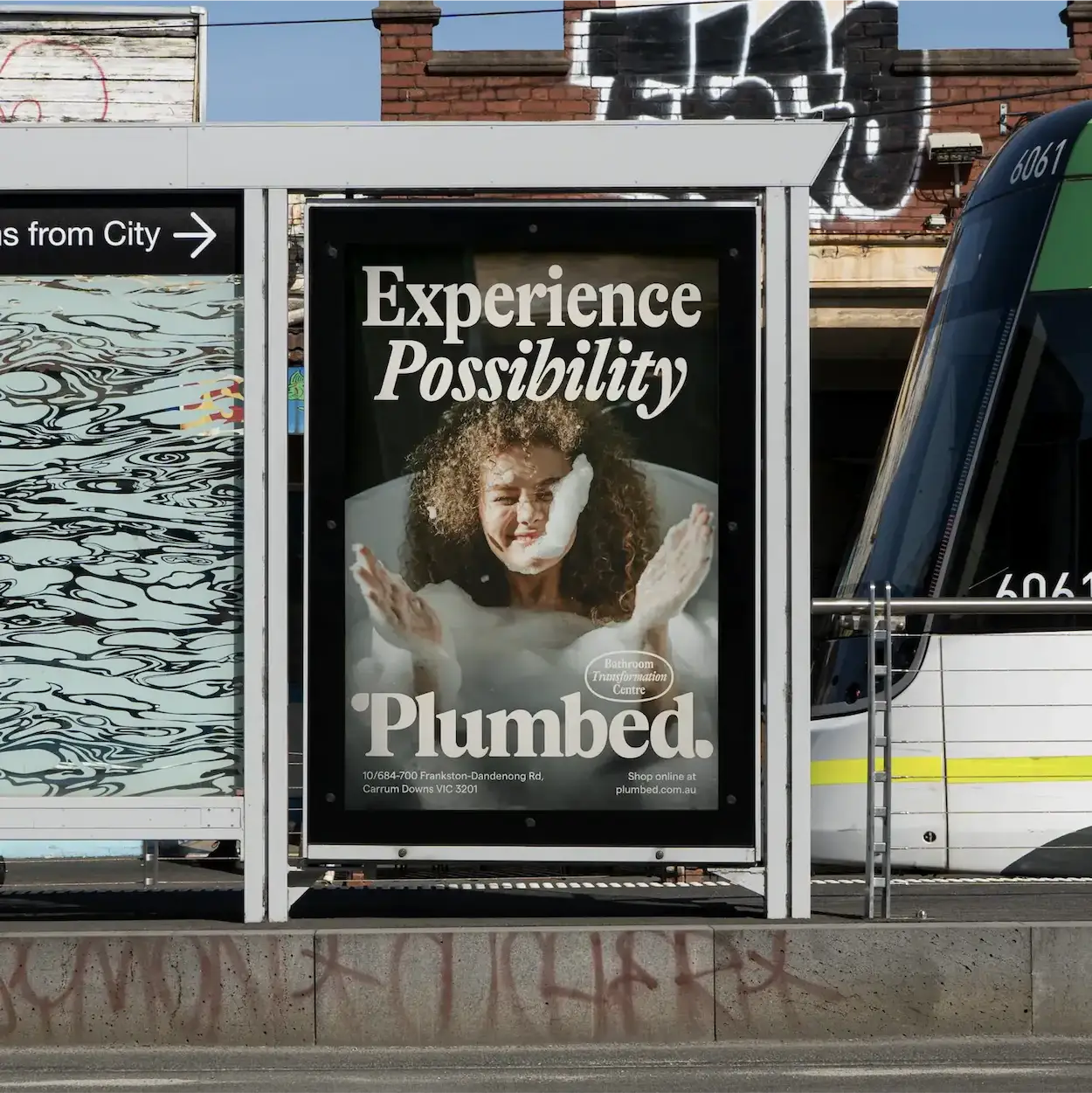
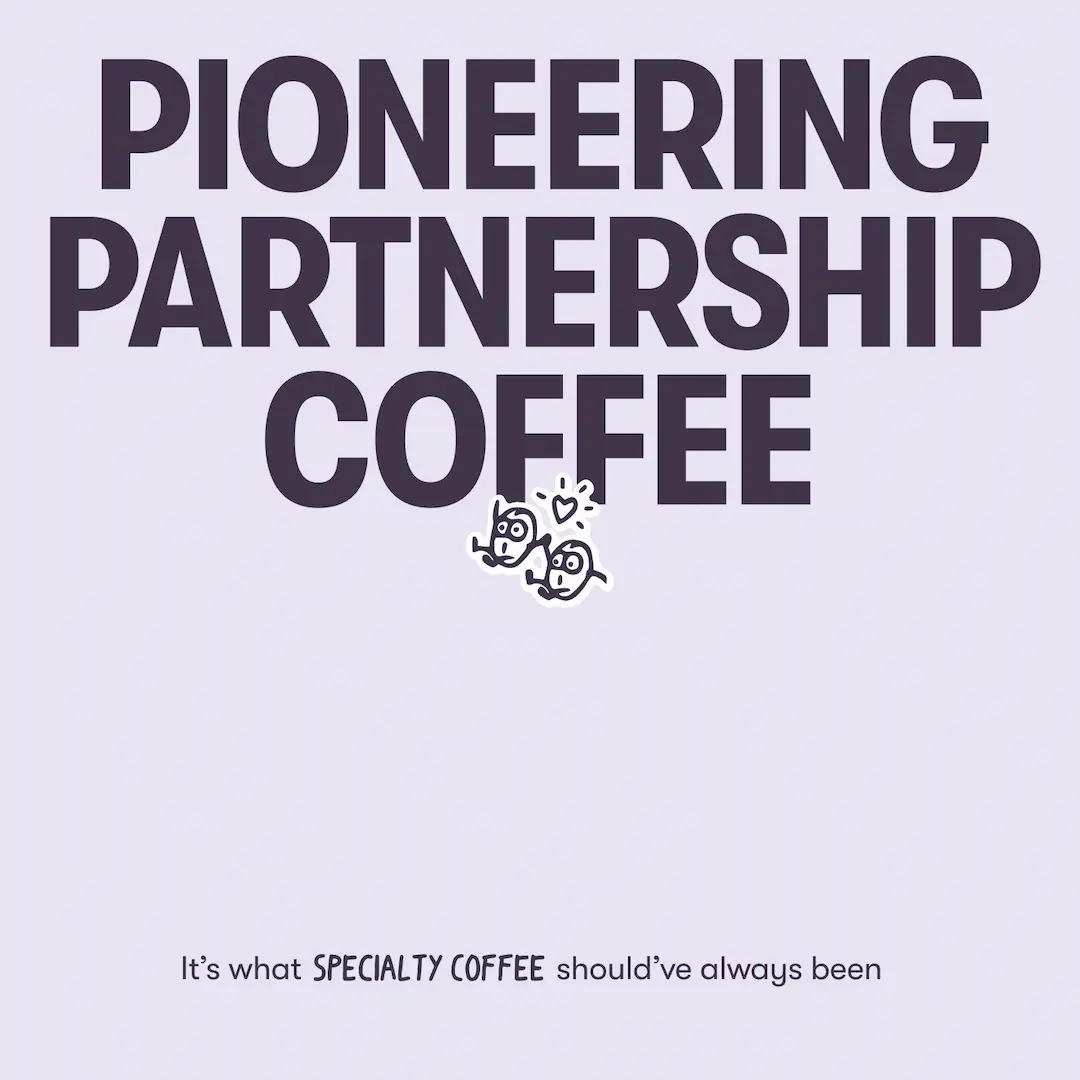
This is the core. Positioning is the spot you own in your customer's head. Why they pick you over the other options. It only counts if the customer can see it. When your market is crowded, we look at whether you can create a new one. That is category design. It is not a slogan. It changes what you sell, who you sell to, what you charge and how you talk. Plumbed stopped being a bathroom shop and became a transformation centre. Commonfolk became partnership coffee. Nobody else is doing either.
What if we are not that different?
Nobody is, until they choose to be. Most businesses in a category do roughly the same thing for roughly the same people at roughly the same price, and the market treats them that way. Difference is decided, not discovered. It comes from the choices in the next block: what you drop, who you let go, what you charge. Our positioning guide shows how it is done.
Positioning or category design: which do we need?
Positioning if you can win a better spot in the market you are already in. That includes a crowded one with a big player at the top. Category design if the market itself is the problem: your offer does not fit any box, or every box is a price war. The first block tells us which. Most businesses need positioning. The ones that need category design usually already know it.
What has to change for that to be true?
This is where most brand strategies stop and most businesses get caught out. A position is a promise. If the offer, the price, the service and the team do not back it, it is a promise you cannot keep. So we work through what the position costs you: what you stop doing, who you stop chasing, what you charge, and how your brands and products need to fit together. Sometimes the name does not survive. We will say so.
- What you stop doing, and which customers you let go
- What you charge, and what that says about you
- What you need to be good at that you are not yet
- How your brands, products and services fit together, and which ones should exist
- Whether the name still fits
We run more than one brand. Does that change things?
Brand architecture is how the brands, products and services in your business relate to each other and to the main brand. One brand, a family of brands, or a mix. It decides what gets its own name, what gets its own look and what gets folded in. We include it in strategy work because those decisions and the positioning decisions are the same decisions. See what is brand architecture.
How does it work?
A strategy nobody can repeat is not a strategy. So the last job is to write it down short enough that your team will read it and clear enough that they will use it. The brand platform is the few things your business stands for, on a page. The message is what you say to customers because of it. Then a brief for design, so the identity is built on the choices and not around them.
- The brand platform: the big idea, why you exist, what you promise, how you behave
- Your story, and the one message everything else supports
- What you say to each kind of customer, and how you sound saying it
- The brief for identity: what the look has to say and do
- The first ninety days: who does what, and what your customers see first
A clear, repeatable process for building a brand strategy your whole business can act on, and revisit as the field changes.
Listen
We talk to you, your team and your customers. We look at your competitors. We look at your numbers. By the end you know where you stand and whether strategy is the right next step. If it is not, we say so.
Decide
This is the hard part and we do it with you, not for you. Who you are for. What you offer them that nobody else does. What you charge. What you stop doing. We bring the outside view and the options. You make the calls.
Share
Your strategy on a few pages, in plain words. Your story, your message, how you sound, how your brands fit together. Short enough that your team will read it. Clear enough that they will use it.
Launch
Your team learns the strategy before your customers see it. Then we brief the design, set the rules and hand over a plan for the first ninety days. We check in after that, because markets move and your strategy should keep up.
Honest ranges:
- Brand Audit & Diagnosis ($5,000–$15,000): research, interviews, competitor mapping and a clear recommendation on what to do next. Sometimes the answer is "nothing yet".
- Brand Strategy ($15,000–$25,000): the full platform. Positioning, category, narrative, messaging, architecture and a playbook your team can act on.
- Brand Strategy & Identity ($20,000–$75,000+): strategy plus the visual and verbal identity that expresses it. See rebranding if the current brand needs replacing rather than building.
Strategy is the smaller part of the investment and the part everything else depends on. A $20K strategy that makes the right choices will outperform a $100K identity built on the wrong ones.
- Brand Audit: 2–4 weeks
- Brand Strategy: 6–10 weeks
- Strategy & Identity: 12–20 weeks
Timelines move with stakeholder count and decision speed. We'll give you a clear one at quote stage.
A brand strategist works out what game a business is playing and how it can win it: who you're for, what you stand for, where you play, what you say no to, and how you create value your customers can't get elsewhere. It's diagnosis and decision, not decoration. The identity, the messaging and the website are all downstream of it.
Most strategy deliverables have about 80% in common. The 20% is what makes the difference. Ours covers where to play and how to win, then the brand idea, purpose, positioning, proposition, personality, values, audience, story and messaging, plus architecture and naming where they apply. Every element has to earn its place. Strategy is value creation, not template completion. Our guide to brand strategy walks through each element.
Every agency has a list. We work from a standard instead. Richard Rumelt's: a real strategy has a diagnosis of where you stand, a guiding policy for how you'll win and a coherent set of actions that carry it out. Run most brand strategy decks through that and they score zero for three: a mood board of the market, a vision statement and some communication examples. If the pillars don't add up to a choice about how to win, they're decoration.
Yes, if you want the design to mean something. Design without strategy is decorating. The strategy is what makes the identity inevitable rather than arbitrary, and it's the reason two brands with equally good designers can end up in very different places.
It should evolve as your business, audience and market change. Strategy is iterative: the moving parts influence one another and a change on the field can change the right answer. That said, if you're pivoting every quarter you don't have a strategy, you have indecision. Strategy adapts. It shouldn't drift.
"What an incredibly thoughtful and joyful experience with ONETOO. I want to start a new business just to enjoy the brand process with the ONETOO team again."

If your customers can't say how you're different, and why they should choose you. Strategy is where that gets fixed.
You'll receive an email from us with next steps momentarily.
Looking for local services?