Most businesses don't know their brand is broken until something stops working. Leads dry up. The website feels off. A competitor launches and suddenly your positioning looks stale. You can feel it, but you can't quite name it. You know you "need better marketing" or "should update the logo", but you're guessing about what's broken and what's actually working.
That's usually when someone suggests a brand audit.
The problem is, "brand audit" means wildly different things to different people. Some agencies will hand you a checklist with colour codes and call it a day. Others will run you through a six-month research project that costs more than the rebrand itself. Neither is particularly useful.
Let's talk about what a brand audit actually is, what it covers, what it costs, and how to use one to make better decisions about your brand.
What is a Brand Audit?
A brand audit is a systematic examination of how your brand is performing, internally and externally, against its strategic objectives. It looks at the gap between what your brand intends to communicate and what people actually experience.
That gap is where the problems live. It's also where the opportunities live, which is the part most definitions leave out.
A good brand audit isn't an inventory of your assets or a critique of your logo. It's an honest assessment of whether your brand is doing its job. Is it attracting the right customers? Is it commanding the right price? Is it creating the recognition and preference you need to grow?
You might feel fine. But the blood work tells a different story. A brand audit is the blood work: it reveals what's actually happening beneath the surface, not just what you hope is happening.
Why Brand Audits Matter
The uncomfortable truth is that most brands drift over time. Not dramatically, not enough to trigger alarm bells. But slowly, incrementally, in ways that compound until one day you look at your brand and realise it no longer reflects who you are or what you do. Which is not to say brands shouldn't evolve, they should. But an unintential drift? That's a different story.
This drift happens for a few reasons.
Markets evolve. Your competitors have moved. Customer expectations have shifted. The category conventions that made you look modern three years ago now make you look dated. What was distinctive has become generic because everyone else caught up.
Businesses evolve. You've added new services, entered new markets or shifted your focus. But your brand is still telling the old story. There's a mismatch between what you do now and what your brand says you do.
People evolve. Teams change. New people bring new interpretations of the brand. Without clear guidelines or regular calibration, consistency erodes. Your website says one thing, your sales team says another and your social media says something else entirely.
A brand audit catches these issues before they become expensive problems. But the remedial case is only half of it. The other reason to audit is offensive: to find the opportunity before your competitors do. An audit can reveal the open position no one in your category has claimed, the story you're sitting on but not telling, the convention everyone follows that you could profitably break. You don't need something to be wrong to benefit from knowing exactly where you stand.
What Does a Brand Audit Cover?
A useful audit is built on evidence, not opinions. The structure is simple: define what you're trying to learn, gather the proof, then analyse the gaps. The evidence comes from six places.
Brand strategy foundation
Does your brand have a clear brand strategy? Is it still relevant? This means examining your purpose, vision, values, positioning and target audience to see whether the strategic foundation is solid or whether it needs updating.
A lot of brands skip this step entirely. They jump straight to visual audits without first checking whether the strategy underneath is still sound. That's like repainting a house with structural issues. It might look better for a while, but the cracks will come back.
Visual and verbal identity
How does your brand identity hold up? This covers your visual system: logo, colour palette, typography, photography, iconography. And your verbal identity: tone of voice, messaging, naming conventions. The question isn't whether these elements look good in isolation. Design can always be dismissed as subjective if you judge it as decoration. The real test is whether the elements work together as a system to communicate the brand's central idea. A logo, a typeface, a colour: none of them exists in a vacuum. Each one either points to what the brand stands for or it doesn't.
When we worked with Independent Wine Store, the identity refinement wasn't cosmetic. It was about ensuring the visual and verbal system reflected who they'd become: still people-focused, still wine-obsessed, but more mature and confident. The audit revealed that the brand had evolved past what its identity was communicating. That's exactly the kind of gap an identity review is designed to find.
Employee perception
Your team delivers the brand experience, so what they believe about the brand matters as much as what your guidelines say. An audit asks the people inside the business what the brand promises, what makes it different and what gets in the way of delivering on it. When ten people give ten different answers, that's a finding. The gap between how the business describes itself internally and how customers experience it externally is one of the most revealing measurements an audit can take.
Customer perception
What do your customers actually think? Not what you hope they think. What they say when you're not in the room. This might involve surveys, interviews, review analysis or social listening. The point is to understand the distance between your intended brand image and your actual one.
This is often the most revealing, and occasionally the most humbling, part of the audit. You might discover that what you think makes you special isn't even registering with your audience. Or that they value something about you that you've been completely ignoring in your marketing.
Competitive and cultural context
Where do you sit relative to your competitors, and to the cultural moment your audience lives in? A brand doesn't get judged in a vacuum. It gets judged against every other option your customer sees, and against the expectations the wider culture has set. An audit maps how competitors position themselves, what they look and sound like, and what they promise.
This isn't about copying what competitors do. It's about understanding the terrain so you can make deliberate choices about where to differentiate. When we audit brands in categories like property or professional services, we often find that everyone looks and sounds the same. That's not a problem, it's an opportunity. If the whole category is beige, being distinctive suddenly becomes much easier.
Performance data
How is your brand performing where it can be measured? Website analytics, search visibility, content engagement, conversion, enquiry quality, pricing power. The numbers don't lie, and they often reveal brand issues that aren't visible from the inside. If you're winning the wrong enquiries or losing work on price despite a better product, the data will show it before your instincts do.
A Basic Brand Audit Checklist
If you want a practical starting point, here's a checklist you can work through yourself. It won't replace a professional audit, but it will show you where to look first.
The self-audit checklist
If you struggled with more than a few of these, that's a clear signal. Not necessarily that everything is broken, but that a deeper look is warranted. A professional audit picks up where this list stops: what customers actually say when you're not in the room, how you genuinely sit against the category, and whether the operation keeps the promise the brand makes.
The Brand Audit Process
So how does a brand audit actually run? Here's the process we typically follow.
Before anything gets gathered or analysed, get clear on what question the audit is answering. Are you deciding whether to rebrand? Preparing for a new market? Trying to work out why enquiries have changed? The question shapes the scope, and the scope determines where the effort goes. One caution: hold the question loosely. The audits that produce the most value are the ones where the client stays open to what the evidence shows, rather than arriving with a conclusion and looking for confirmation.
Pull together everything your brand touches. Website, social profiles, sales materials, email campaigns, packaging, signage, internal documents, customer reviews, analytics data. The more complete the picture, the more useful the audit.
Review the strategic foundation. Is the positioning still relevant? Has the target audience shifted? Are the brand values actually informing decisions, or are they just words on a wall? This is where you assess whether the thinking underneath the brand is still sound.
Examine how the strategy is being expressed: visually, verbally and experientially. Are the identity elements working together? Is the tone of voice consistent? Does the brand look and sound like what it's supposed to be?
Talk to employees, customers, partners and stakeholders. Find out what they actually think. Compare their perceptions to your strategic intent. The gaps are where the real insights live.
Review where competitors sit. What do they own in the minds of customers? Where are the white spaces? Where are you at risk of being outpositioned?
Bring it all together into a clear diagnosis. What's working? What's not? What should be retained, what needs updating, and what needs a complete overhaul? A brand audit that ends with observations but no recommendations is only half the job.
What Does a Brand Audit Cost?
A professional brand audit typically costs from $5,000 to $20,000 and takes two to four weeks.
What moves the number is the size of the brand and its footprint. An older brand with years of accumulated assets and touchpoints, online and offline, simply has more to process. Employee and customer interviews add cost and time, but they're also where some of the most valuable evidence comes from, so the trade-off is usually worth naming rather than avoiding.
What you walk away with is a document package: the findings, and the recommendations that follow from them. What can be retained, what needs updating, what needs overhauling. It's the up-to-date pulse of where the brand is at, and it becomes the foundation if you go on to strategy or identity work.
And an honest boundary: if you're a micro business, a formal audit probably doesn't make sense yet. The investment won't return enough value at that scale. Work through the checklist above, be honest with yourself, and spend the money where it counts.
Brand Audit Examples - What We've Seen in Practice
Every brand audit reveals something different. Here are a few patterns we've encountered through our work.
Commonfolk
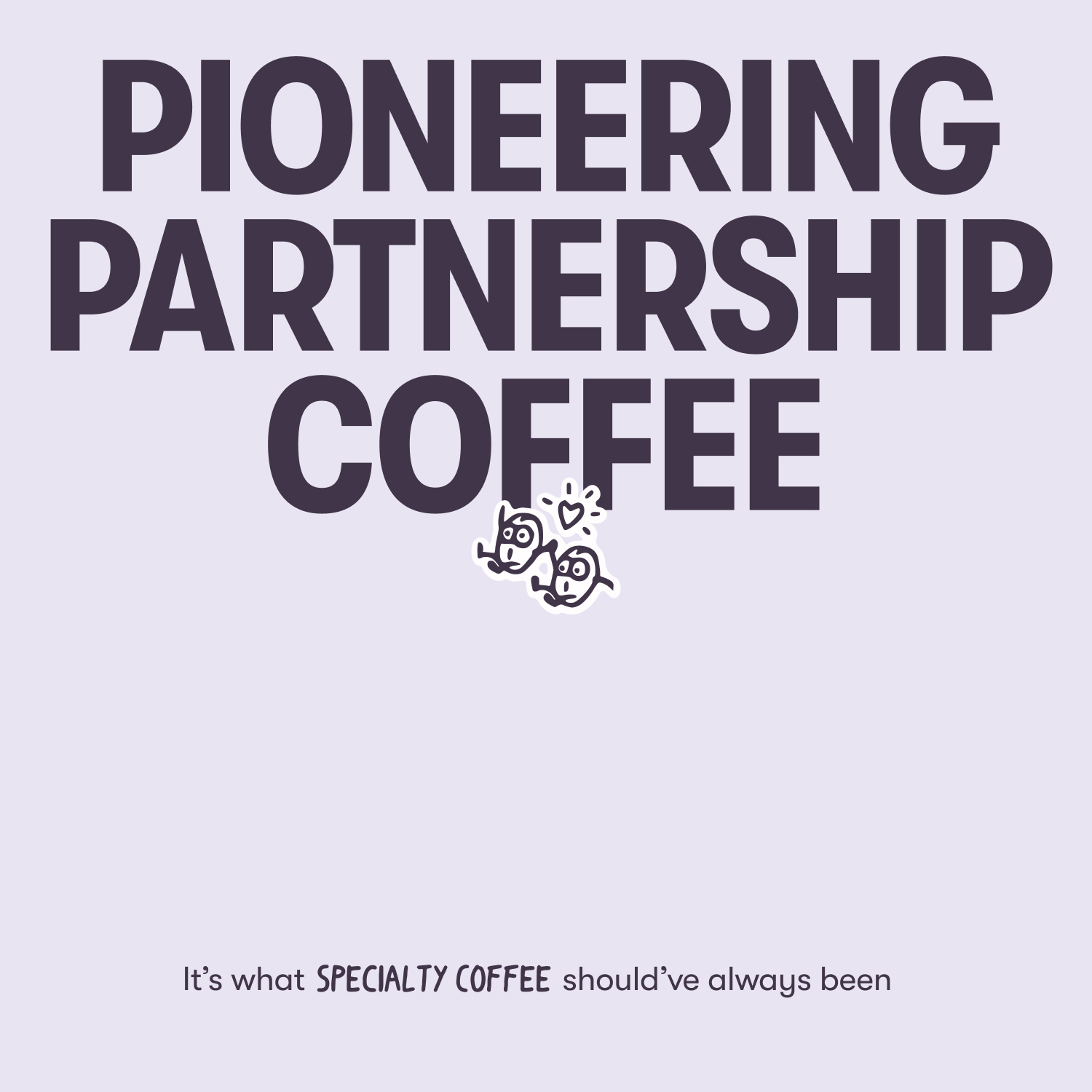
Commonfolk is a Melbourne coffee roaster with a loyal following and a genuinely distinctive visual identity. When we reviewed the brand, there was nothing technically wrong with it. The honest finding, and the one a less scrupulous audit might have buried, was that they didn't need a new identity at all. Over time the visuals had drifted in too many directions, so the recommendation was to refine and pull back what was already there, not replace it.
The real gap was positioning. Buried in how Commonfolk actually operated was a story they weren't telling: a completely different model of working with growers that no other roaster could claim. The audit surfaced it, and the strategy work that followed named it Partnership Coffee, a category of one. Instead of being another specialty roaster lost in the specialty coffee crowd, they now lead a story only they can tell. That's the move: the audit found the gold that was already in the haystack, and the budget went where it could actually change the trajectory of the business instead of repainting what already worked.
Peritum Property - Standing in a sea of sameness
The property industry is a masterclass in brand conformity. Navy blue, stock photography, sans-serif fonts and promises about "exceptional service." When we examined Peritum's category, the opportunity was obvious. Not a single competitor had staked out a genuinely distinct position. The audit didn't just identify what was wrong with Peritum's brand. It revealed an entire category-wide gap they could own. The result was an identity that breaks every convention in the category, because the audit proved that breaking convention was the smartest strategic move.

Plumbed - Complexity that demanded clarity
Plumbed operates across a complex range of touchpoints: showroom, digital, print, social, signage and wayfinding. When a brand needs to work across that many surfaces, consistency becomes exponentially harder. The strategic review identified where the experience was fragmented and where the brand wasn't carrying its weight. The result was a comprehensive identity system designed to maintain coherence across every environment, from the website to the physical showroom floor.

Mendi Moke - Talent without visual presence
Mendi Moke is an architectural and building design practice with outstanding work but a brand that didn't match. This is one of the most common audit findings: a business whose quality of work significantly outpaces the quality of its brand. The gap between capability and perception is where opportunity lives. The refinement brought clarity and confidence to a brand that had the substance but lacked the visual expression to match.
When Do You Need a Brand Audit?
Not every business needs a full audit right now. But there are clear signals that it's time.
- You're not attracting the right clients. If your enquiries consistently come from the wrong segment, people who can't afford you, don't value what you do, or want services you don't offer, your brand is sending the wrong signals.
- You've evolved but your brand hasn't. New services, new markets, new team, new ambitions. If the business has changed shape but the brand still looks and sounds like the old version, there's a gap that's costing you.
- You're competing on price when you shouldn't be. If you're losing work to cheaper competitors despite offering a better product, your brand isn't communicating your value. That's a positioning problem, and an audit will reveal exactly where the breakdown is happening.
- Your brand feels inconsistent. Different touchpoints tell different stories. Your website says premium, your social says casual, your sales deck says corporate. When people get mixed signals, they default to distrust.
- You can't articulate what makes you different. If your own team can't clearly and consistently explain your point of difference, your customers definitely can't either.
- You're about to make a big move. New market, new offer, major website investment, a push for a different tier of client. An audit before the move means you build on solid foundations instead of amplifying existing problems. This is the front-foot case: auditing not because something broke, but because you intend to get ahead.
Brand Audit vs Rebrand - Knowing the Difference
A brand audit is not a rebrand, and it's not a strategy either. This distinction matters more than it sounds.
An audit is diagnostic. It tells you where you're at: what's working, what's drifted and what needs attention. It is deliberately not prescriptive about what you should build next. That's the job of the strategy work that follows, which takes the findings and shapes a direction from them.
Sometimes an audit reveals that you don't need a rebrand at all: the brand equity already built is worth more than a fresh start. Commonfolk is the proof: the identity stayed, refined rather than replaced, and the investment went to positioning instead. Other times, the audit reveals fundamental issues: your positioning is outdated, your identity doesn't reflect your strategic direction or your brand can't compete in its current form. That's when a rebrand makes sense.
Be prepared for the audit to open questions as well as close them. The most common experience mid-audit is the aha moment: seeing something about your own brand that was invisible from the inside, and realising it has implications beyond the brand, sometimes for the wider business plan. That's not the process going wrong. That's the process working. Some of those questions stay open until the strategy work begins, and that's exactly where they should be answered.
The point is, the audit gives you the evidence to make the call with confidence rather than guesswork. You're not rebranding because you're bored of your logo. You're rebranding because the evidence says it's the right move.
When Should You Hire a Professional?
You can genuinely self-assess parts of your brand. The checklist above will take you a reasonable way on visual consistency: whether the logo is applied properly, whether the colours and type hold together, whether touchpoints look like they belong to the same company. Founders are usually decent judges of that.
Where self-auditing reliably breaks down is positioning, messaging and strategy. You're too close. You've been inside the story so long you can't hear how it sounds from outside. Asking your own team doesn't fix it, because people with a stake in the status quo will tell you what you want to hear. You end up leading the witness. And the most practical constraint of all: the audit needs sustained time to step back and see the whole picture, which is precisely the time founders don't have.
There are also two beliefs worth surrendering at the door. The first is that a brand audit is a design critique: someone telling you the colours aren't good and the logo could be improved. That's not wrong, it's just not the whole picture, because a brand is an idea and the visuals are only one of the things carrying it. The second is the B2B exemption: the assumption that because you sell to businesses, brand matters less. You're still selling to people, and people have preferences, emotions and trust instincts no matter whose budget they're spending.
If you do bring in outside help, a few things to look for.
An agency that asks why. Most agencies, approached for a brand audit, will say "great, let's do a brand audit" and never ask what prompted it. The better question is what concerns you have, what you've already noticed, and what you're hoping the audit will settle. Sometimes a client has diagnosed the problem and wants confirmation. Sometimes they genuinely don't know. The audit should be scoped around which one is true.
Honesty about what's data and what's judgement. Parts of a good audit rest on hard evidence. Other parts are professional opinion built on experience, and an agency should say so plainly rather than presenting every finding as objective truth. You're choosing an auditor partly for that judgement, so look at their experience in your kind of category and decide whether you trust it.
The ability to execute on findings. There's a particular frustration that comes from getting a 60-page audit report from one agency and then having to brief an entirely different agency to act on it. Look for partners who can diagnose and treat, who understand brand strategy, identity and design well enough to move from insight to action.
This is the approach we take at ONETOO. Our audit work is always connected to strategic and creative capability. We don't just tell you what's wrong, we can show you what right looks like. Because the real value of an audit isn't the document. It's what you do with it.
Start With Honest Questions
You don't need a formal audit to start thinking critically about your brand. Start with a few honest questions.
Does your brand accurately represent who you are today? Not who you were when you launched. Not who you want to be eventually. Who you are right now.
Would a stranger looking at your brand for the first time understand what you do, who you do it for and why you're different?
If your top ten clients described your brand to someone else, would they all tell the same story?
If the answers make you uncomfortable, that's useful information. It doesn't mean everything needs to change. But it does mean a closer look is worth the investment.
Ready to see where your brand really stands? Talk to us about a brand audit.
A brand audit is a systematic examination of how your brand is performing - internally and externally - against its strategic objectives. It assesses the gap between what your brand intends to communicate and what people actually experience. A thorough audit covers brand strategy, visual and verbal identity, customer perception, competitive positioning and touchpoint consistency.
Brand audits matter because brands drift over time. Markets shift, businesses evolve and teams change - all of which can create a disconnect between your brand and your reality. An audit catches these issues before they become expensive problems, giving you a clear picture of where you stand and evidence-based direction for what needs to change.
A brand audit checklist typically covers five areas: strategy foundations (positioning, audience, differentiation), visual identity (logo consistency, colour palette, typography, imagery), verbal identity (tone of voice, messaging consistency), customer experience (touchpoint coherence, journey consistency) and market position (competitive differentiation, landscape changes). Each area helps identify where attention is needed most.
The brand audit process typically follows seven steps: define the scope, gather evidence across all brand touchpoints, analyse the strategic foundation, audit the visual and verbal expression, assess customer perception through research, map the competitive landscape and then synthesise findings into clear recommendations. The process moves from diagnosis to actionable direction.
A brand audit is diagnostic - it tells you what's working, what's not and what needs attention. A rebrand is the treatment - the strategic and creative work that addresses issues the audit uncovered. Sometimes an audit reveals you don't need a rebrand at all, just better execution or clearer guidelines. The audit gives you evidence to make that call with confidence.
Start by defining the scope - determine whether you need a full audit or a focused review of specific areas like strategy, identity or customer perception. Then gather all brand materials across every touchpoint: website, social media, sales collateral, signage and internal documents. From there, systematically evaluate each dimension against your strategic objectives and competitive landscape.
A professional brand audit typically costs from $5,000 to $20,000 in Australia. The main cost drivers are the size of the brand and its footprint: older brands have more assets and touchpoints to process, and employee or customer interviews add scope. At the lower end you get a focused review; at the upper end, a comprehensive audit across strategy, identity, perception and performance. For micro businesses, a formal audit rarely returns enough value to justify the investment.
A brand audit typically takes two to four weeks. The timeline scales with the brand's footprint: the number of touchpoints to review, the volume of accumulated assets, and whether employee and customer interviews are in scope. The output is a document package covering findings and recommendations: what to retain, what to update and what to overhaul, which then feeds any strategy or identity work that follows.
Partly. A founder can genuinely self-assess visual consistency: whether the logo, colours and typography are applied coherently across touchpoints. Where self-auditing breaks down is positioning, messaging and strategy, because you are too close to the story to hear how it sounds from outside, and asking your own team tends to produce the answers you want to hear. A professional audit adds the outside perspective, structured customer and employee research, and the time to step back that founders rarely have.

Marcel McCarthy is the Creative Director at ONETOO. He helps ambitious brands turn strategy into clarity — and clarity into action. Known for asking hard questions, dodging trends, and making bold ideas feel obvious (in hindsight).