Brand identity is one of those terms that gets used so loosely it's almost lost its meaning. Ask ten marketers what it means and you'll get ten different answers - most of them incomplete. Some will point to a logo. Others will talk about colours and fonts. A few might mention "the feeling" a brand gives you, which is nice but not exactly actionable.
Let's get specific about what brand identity actually is, why it matters, and what it looks like when it's done properly.
What is a Brand Identity?
Brand identity is the collection of tangible elements that a company creates to portray the right image to its audience. It's the visual, verbal and experiential system that makes a brand recognisable and distinct.
Think of it this way. If brand strategy is the thinking - the decisions about who you are, who you're for and how you're different - then brand identity is the expression. It's what people actually see, hear and interact with.
That includes the obvious things like your logo, colour palette and typography. But it also includes your tone of voice, photography style, iconography, packaging, spatial design, motion graphics and the way your brand shows up across every single touchpoint.
Brand identity design is the process of crafting all of these elements into a cohesive system. Not a collection of pretty assets - a system. One where every piece works together to communicate who you are without you having to explain it.
Brand Identity vs Brand Image vs Brand
Here's where it gets confusing - and where most people trip up.
Brand identity is what you create and put out into the world. It's the inputs. The things you control.
Brand image is what people perceive. It's the output. The impression that forms in someone's mind when they encounter your brand. You influence this, but you don't control it.
Brand is the totality - the sum of every interaction, impression and association someone has with your business. It exists in the minds of your audience, not on your Figma file.
The goal of strong brand identity design is to close the gap between what you intend and what people actually experience. When identity and image align, you've got a brand that works. When they don't, you've got a disconnect - and disconnects cost you trust, recognition and revenue.
The Elements of Brand Identity
A complete brand identity system typically includes several interconnected layers. Here's what sits inside most of the identity systems we build.
Visual identity - logo, colour palette, typography, photography direction, illustration style, iconography, layout principles and spatial design. This is the most visible layer and the one most people think of when they hear "brand identity."
Verbal identity - tone of voice, messaging frameworks, naming conventions, taglines and the language patterns that make your brand sound like you. A brand that looks distinctive but sounds generic is only half-built.
Experiential identity - how the brand shows up in physical and digital spaces. Packaging, wayfinding, retail environments, website interactions, social media presence. Every touchpoint is an expression of identity.
When we worked with Plumbed - a bathroom transformation centre on the Mornington Peninsula - the identity had to work across a complex range of touchpoints. Signage, wayfinding, digital, print, social and a physical showroom experience that needed to feel fundamentally different from the typical bathroom retailer. The corporate identity system had to carry across all of it without losing coherence. That's what a well-built identity does - it flexes without breaking.

Why Brand Identity Matters
You might be thinking - does all this really matter? Can't I just get a nice logo and move on?
You can. Plenty of businesses do. But here's what they're leaving on the table.
Recognition. Consistent brand identity across all platforms can increase revenue by up to 23%, according to research from Lucidpress. People can't choose you if they can't recognise you. And recognition comes from repetition of a coherent visual and verbal system.
Trust. A professional, consistent identity signals competence. It tells people you've got your act together - before they've even spoken to you. First impressions are formed in milliseconds and your identity is doing most of the talking.
Differentiation. In crowded markets, identity is often the first - and sometimes only - way customers distinguish between options. If you look and sound like everyone else, you'll compete on price. If you have a distinct identity, you can compete on value.
Internal alignment. A clear identity system gives your team a shared language and visual framework. It makes decision-making easier - from what content to post to how to design a trade show booth. When the identity is clear, everyone moves in the same direction.
Brand Identity Examples - From Our Studio
Theory is useful. But seeing it in practice is better. Here are a few brand identity projects we've delivered and what made each one work.
Bryx - Building trust in property investment
Bryx came to us as a new player in Australian property investment - a space that's crowded, noisy and often plagued by trust issues. The identity needed to do two things simultaneously: feel established enough to inspire confidence and feel fresh enough to signal a different approach. The system we built spans brand strategy, brand identity, tone of voice, creative direction, UX/UI, social and print design. Every element was designed to communicate credibility without the stuffiness that typically comes with corporate branding.
Commonfolk - Creating a category through identity
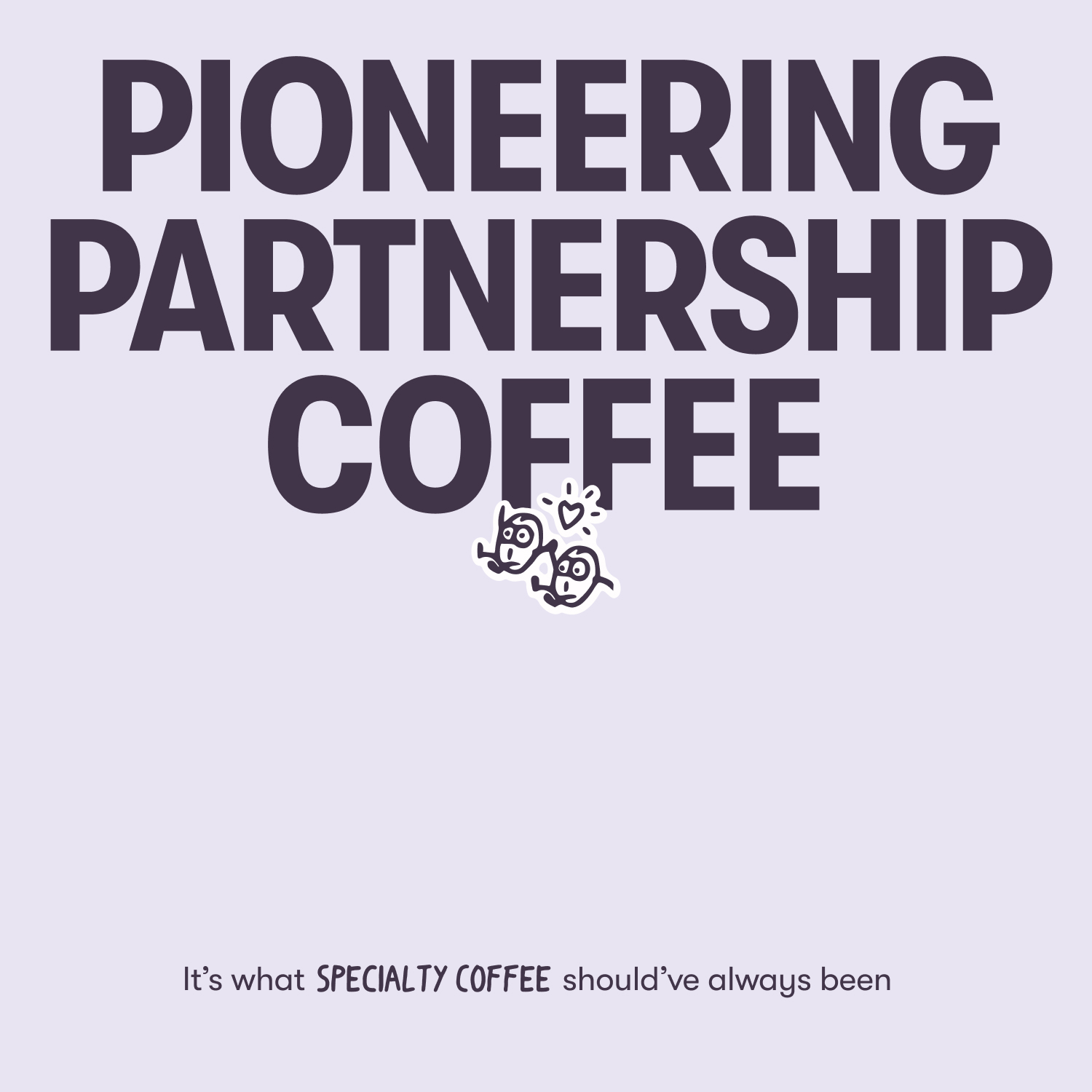
Commonfolk is a specialty coffee brand that wanted to move beyond the typical café positioning. We didn't just refine their identity - we helped them create an entirely new category: Partnership Coffee. The brand identity refinement had to carry this new idea across digital, social and physical spaces while maintaining the warmth and approachability that their community already loved. This is a perfect example of identity as a vehicle for strategic intent. The visual and verbal system doesn't just look good - it communicates a fundamentally different business model.
DRIFT - A festival brand built from scratch

DRIFT is an arts and culture festival on the Mornington Peninsula. Starting from nothing - no history, no visual legacy, no existing audience expectations - we had the rare opportunity to build an identity system from the ground up. The result is dynamic, expressive and designed to evolve across seasons and programming. Brand identity for cultural brands is a different beast. It needs to feel alive, not locked down. The system we delivered includes motion, photography direction, social design and a flexible visual framework that can stretch across wildly different content types without losing its core character.
Peritum Property - Standing out in a sea of sameness
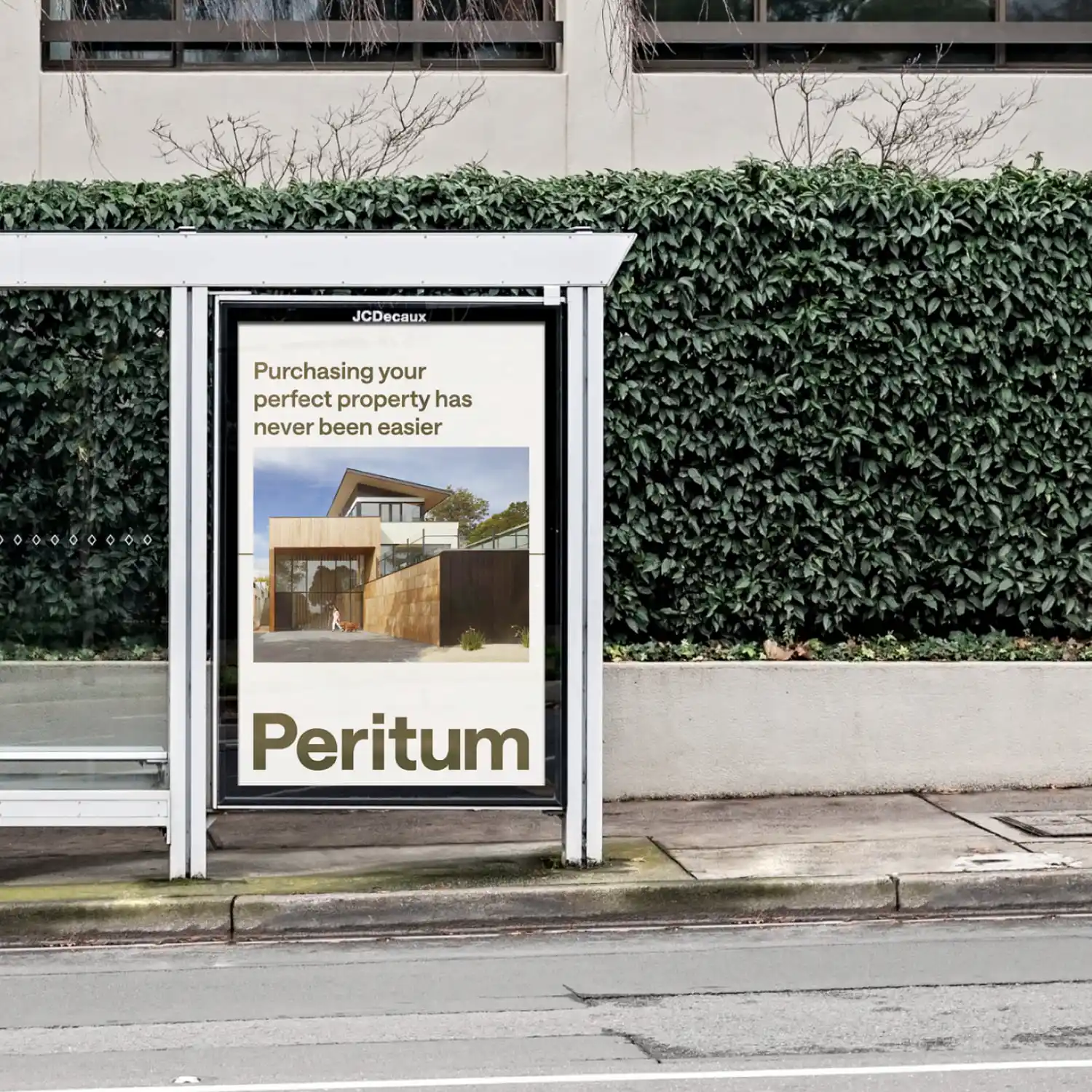
Property is one of those industries where everyone looks the same. Navy blue, stock photography, sans-serif fonts and vague promises about "exceptional service." Peritum wanted something genuinely different. We delivered a brand identity that breaks from the category conventions - one that actually positions them as the considered, strategic alternative in a market full of noise. When we talk about identity as a positioning tool, this is exactly what we mean.
Gather Round - Playfulness with purpose
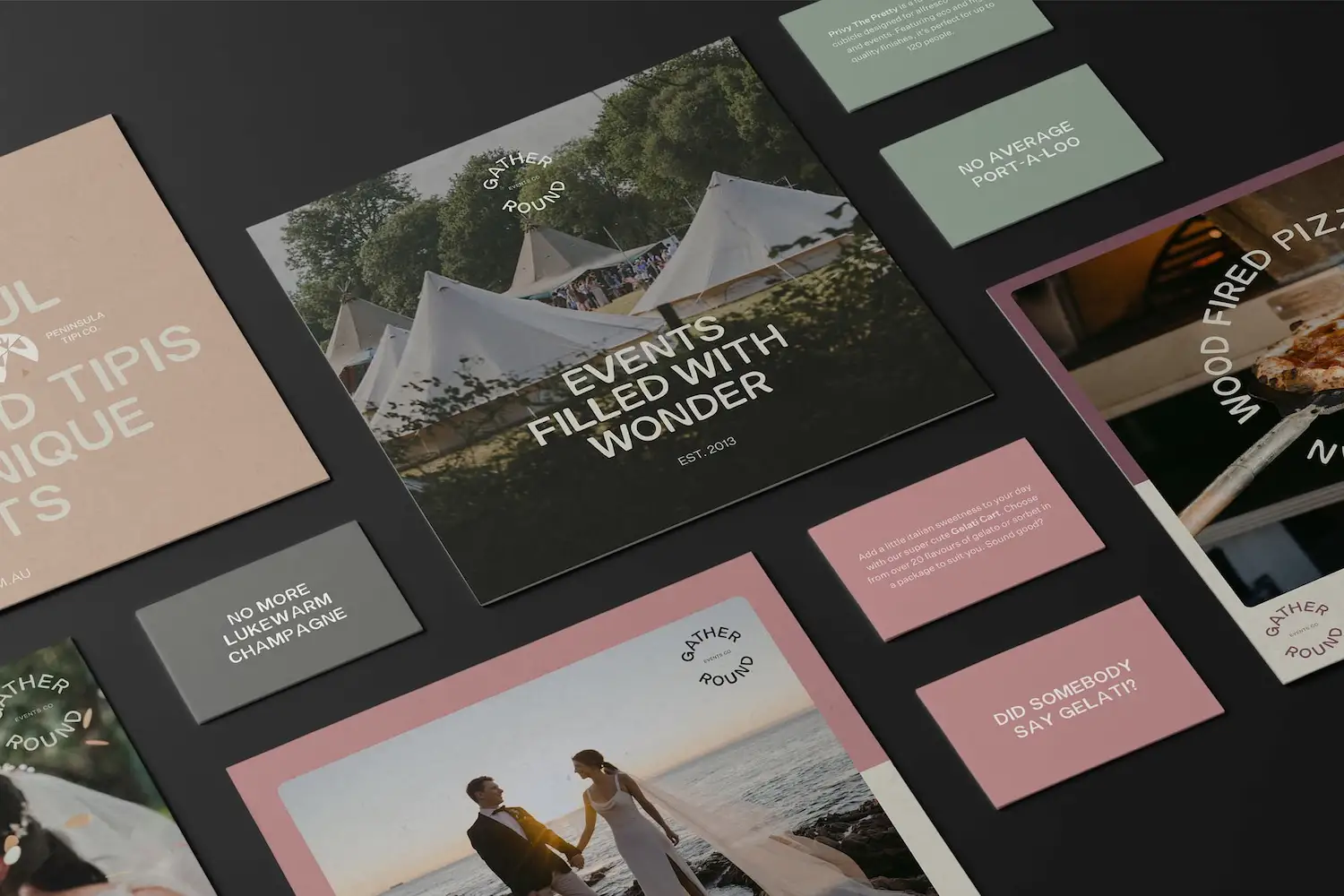
Gather Round is a brand built around life's most meaningful moments. The identity needed to balance playfulness with emotional depth - fun without being frivolous, warm without being saccharine. The system extends across brand strategy, identity, UX/UI, social, print and digital design. What makes this identity work is its restraint. It would have been easy to go maximalist for a brand about celebration. Instead, we built a system that feels considered and intentional - letting the moments themselves take centre stage.
The Brand Identity Design Process
Good brand identity doesn't happen by accident. It's the result of a deliberate process that typically follows a few key phases.
Discovery and strategy. Before any design work begins, you need strategic clarity. Who are you? Who are you for? What makes you different? What do you want to be known for? If you skip this step, you're decorating - not designing. We've written about brand strategy in depth if you want to understand why this foundation matters so much.
Research and landscape analysis. Understanding what already exists in your category is essential. What do competitors look like? What visual conventions are customers used to? Where are the gaps? You're looking for the space between blending in (safe but forgettable) and being so different you confuse people.
Concept development. This is where strategic intent gets translated into visual and verbal directions. Multiple concepts are explored, tested against the strategy and refined. The best concepts are the ones that feel inevitable - like they couldn't belong to anyone else.
System design. A logo isn't an identity. It's one element within a system. This phase is about building out every component - typography, colour, imagery, iconography, layout, motion, voice - and ensuring they work together as a unified whole.
Application and rollout. The identity gets applied across every touchpoint. Website, social, print, signage, packaging - wherever your brand shows up. This is where you see whether the system actually works in the real world or just looked good on a mood board.
What Makes a Brand Identity Specialist Different?
You might wonder why you'd engage a brand identity specialist rather than a generalist designer. It's a fair question.
The difference is systems thinking. A graphic designer can create a beautiful logo. A brand identity specialist builds the entire ecosystem that logo lives within - and ensures every element reinforces the strategic position you're trying to own.
When we work on identity projects at ONETOO, the design is always downstream of strategy. We don't start with aesthetics and reverse-engineer meaning. We start with strategic decisions and design the identity to express them. That's a fundamentally different approach and it produces fundamentally different results.
Working with Independent Wine Store is a good example. The identity refinement wasn't about making things look nicer - it was about ensuring the visual and verbal system reflected who they'd become. Still people-focused, still wine-obsessed, but evolved. The identity needed to carry a more mature, confident version of the brand without losing the soul that their customers had fallen in love with.

Brand Identity in Melbourne - Why Local Context Matters
Melbourne has a distinctive creative and cultural landscape. Brands here operate in one of the most design-literate cities in the world. Your audience notices details. They can tell the difference between something that's been thoughtfully designed and something that's been templated.
That means brand identity design in Melbourne carries a higher bar. The visual sophistication of the market demands it. But it also creates an opportunity - because when you get identity right in this city, the audience doesn't just notice. They respond.
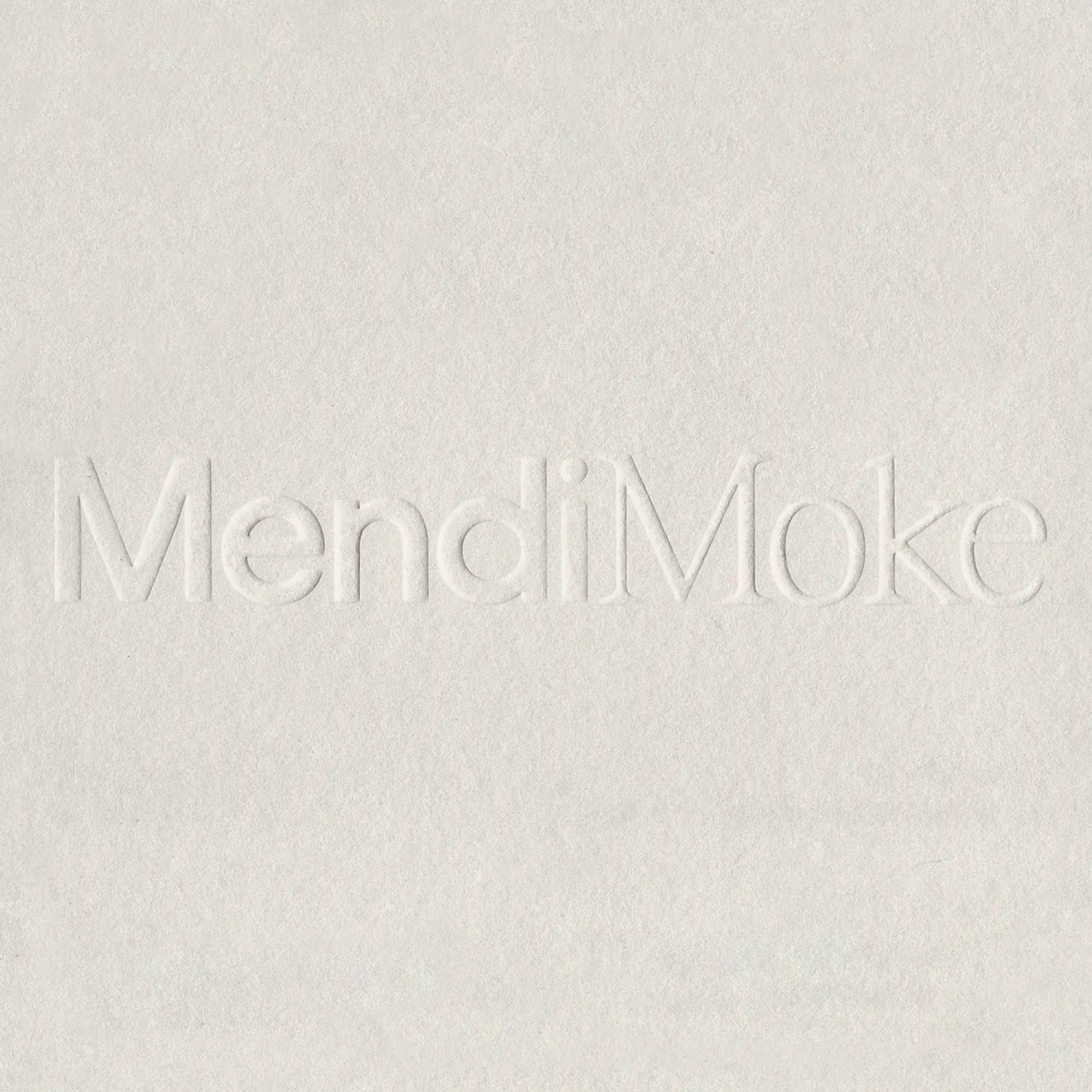
We've worked with Melbourne businesses across coffee, property, professional services and consumer brands. Projects like Mendi Moke - an architectural and building design practice in Flinders - demonstrate how identity can elevate a specialist service. The refinement brought clarity and confidence to a brand that had the talent but lacked the visual presence to match.
And Benchmark Consolidated, a holdings firm with a big vision that needed an identity system to match their ambitions across print, digital and UX/UI. Setting a new standard doesn't just mean saying it - it means looking and feeling like it at every touchpoint.
Common Mistakes
A few pitfalls we see regularly.
Not giving the process enough time. This is the most common one. Businesses want to rush through it and move on to the next thing. But brand identity work requires depth. The strategic thinking that underpins it can't be shortcut. When you don't give it the time, you end up with something that doesn't create the value you were hoping for.
Starting with design instead of strategy. The most expensive identity mistake is building something beautiful that doesn't mean anything. If you can't articulate what your brand stands for before you start designing, the design will be directionless - no matter how polished it looks.
Treating identity as a one-off project. Your identity isn't finished when you get the brand guidelines PDF. It's a living system that needs to be applied, maintained and evolved over time. Brands that treat identity as a set-and-forget exercise end up with inconsistent, fragmented experiences.
Chasing trends. Design trends have a shelf life. If your identity is built on whatever's fashionable right now, it'll feel dated in eighteen months. The strongest identities are rooted in strategy and principles - not Pinterest boards.
Inconsistency across touch points. Your brand looks one way on the website, another on social media, and something else entirely on your business cards. Every inconsistency erodes recognition and trust. The whole point of an identity system is that it's systematic.
Copying the category. If your brand identity could be swapped with a competitor's and no one would notice, you haven't built identity - you've built camouflage. The goal is to be distinctly, unmistakably you.
Brand Identity is a Strategic Investment
Here's the bottom line. Brand identity isn't a creative luxury. It's a strategic asset that affects how people perceive you, whether they remember you and ultimately whether they choose you.
The brands that understand this - the ones that invest in identity as a system, not just a logo - are the ones that build lasting recognition and preference. They don't just look different. They feel different. And that feeling compounds over time into something competitors can't easily replicate.
Your identity should be doing heavy lifting for your business every single day. If it's not, it might be time to look at what you've actually built.
And if the change you're weighing is bigger than the identity alone, a repositioning rather than a redesign, start with our guide to rebranding: when to do it and what it costs.
Ready to build a brand identity that works as hard as you do? Reach out for chat.
Brand identity is the collection of tangible elements a company creates to portray the right image to its audience. It includes visual elements (logo, colour palette, typography), verbal elements (tone of voice, messaging) and experiential elements (how the brand shows up across physical and digital touchpoints). It's the expression of your brand strategy - what people actually see, hear and interact with.
Brand identity is what you create and put out into the world - the inputs you control. Brand image is what people perceive - the impression that forms in someone's mind when they encounter your brand. The goal of strong brand identity design is to close the gap between what you intend (identity) and what people actually experience (image).
A complete brand identity system typically includes three layers. Visual identity covers your logo, colour palette, typography, photography direction, iconography and layout principles. Verbal identity covers tone of voice, messaging frameworks, naming conventions and language patterns. Experiential identity covers how the brand shows up in physical and digital spaces - packaging, wayfinding, website interactions and social media presence.
Brand identity drives recognition, trust, differentiation and internal alignment. Consistent brand identity across all platforms can increase revenue by up to 23%. It signals competence before anyone has spoken to you, helps customers distinguish you from competitors, and gives your team a shared visual and verbal framework for decision-making.
A thorough brand identity design process typically follows five phases: discovery and strategy (defining who you are and what makes you different), research and landscape analysis (understanding your competitive environment), concept development (translating strategy into visual and verbal directions), system design (building out every component into a unified whole), and application and rollout (deploying the identity across every touchpoint).
The key difference is systems thinking. A graphic designer can create a beautiful logo. A brand identity specialist builds the entire ecosystem that logo lives within - and ensures every element reinforces the strategic position you're trying to own. Brand identity specialists start with strategic decisions and design the identity to express them, rather than starting with aesthetics and reverse-engineering meaning.

Marcel McCarthy is the Creative Director at ONETOO. He helps ambitious brands turn strategy into clarity — and clarity into action. Known for asking hard questions, dodging trends, and making bold ideas feel obvious (in hindsight).